


We install and maintain air conditioning and cooling systems to provide comfortable, healthy indoor environments. We ensure efficient operation and energy savings while maintaining the highest standards of comfort and ventilation.
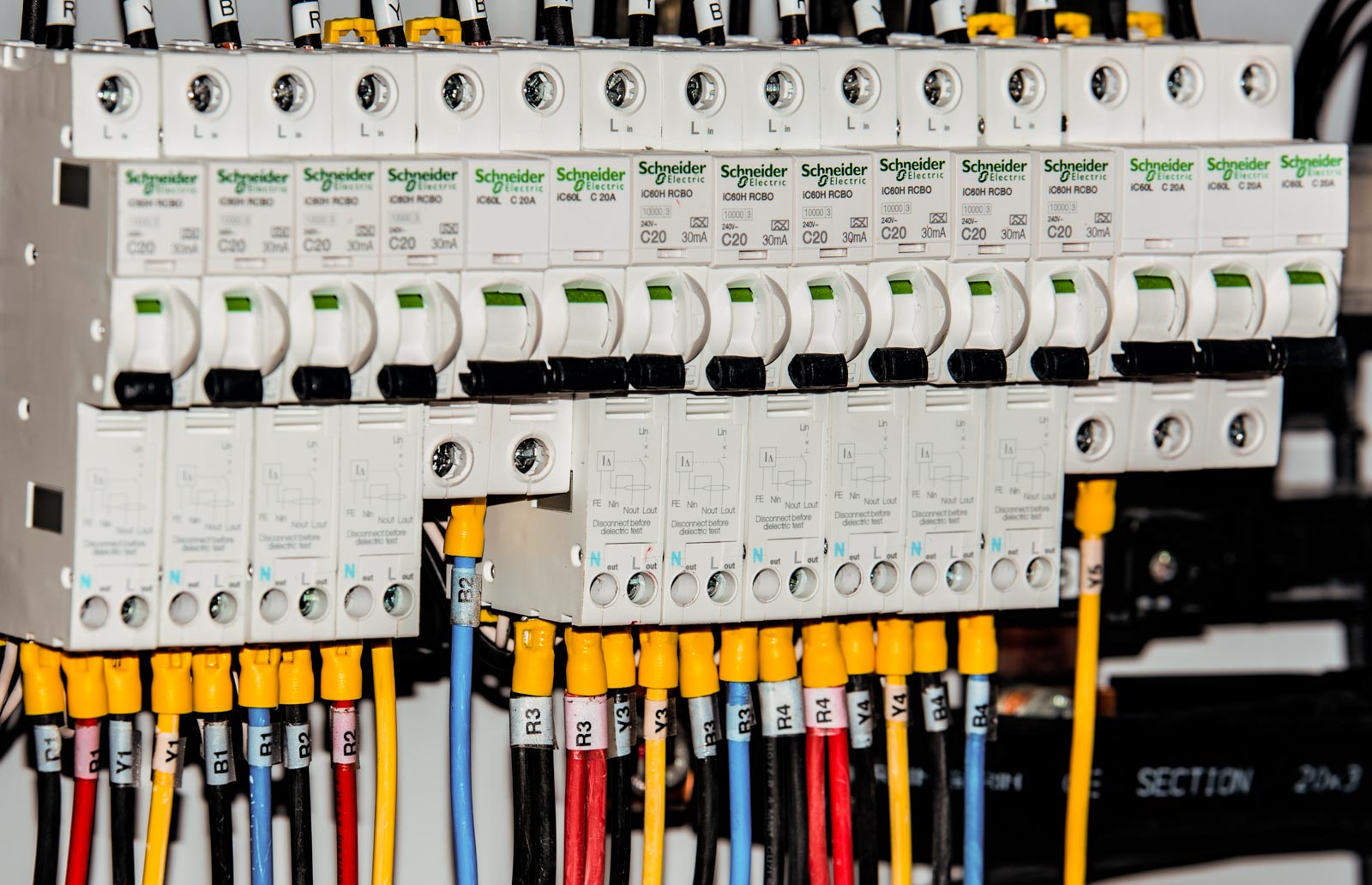
We install and maintain air conditioning and cooling systems to provide comfortable, healthy indoor environments. We ensure efficient operation and energy savings while maintaining the highest standards of comfort and ventilation.
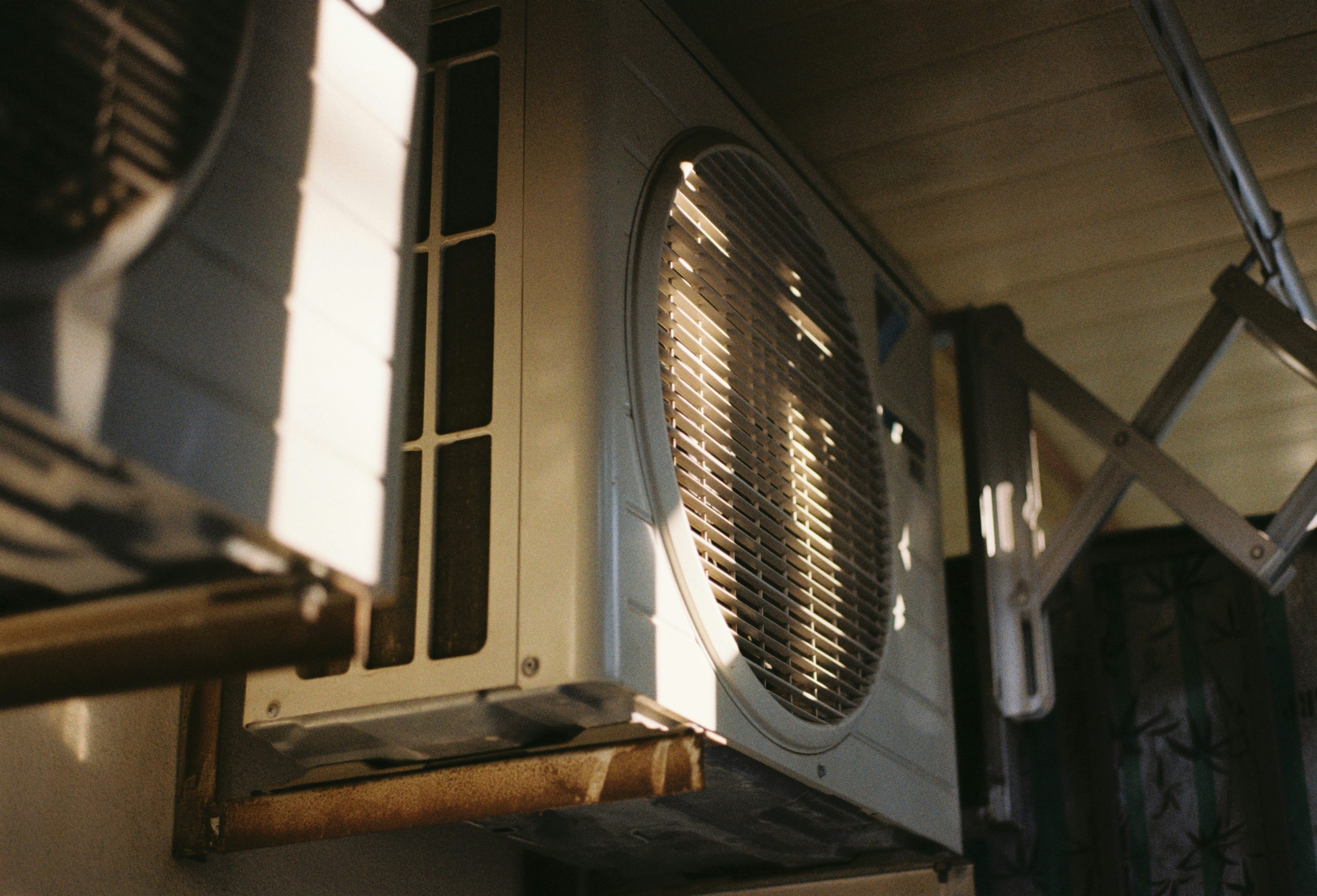
The 2026 Fire Systems works include a comprehensive set of equipment and operations designed to protect lives and property.
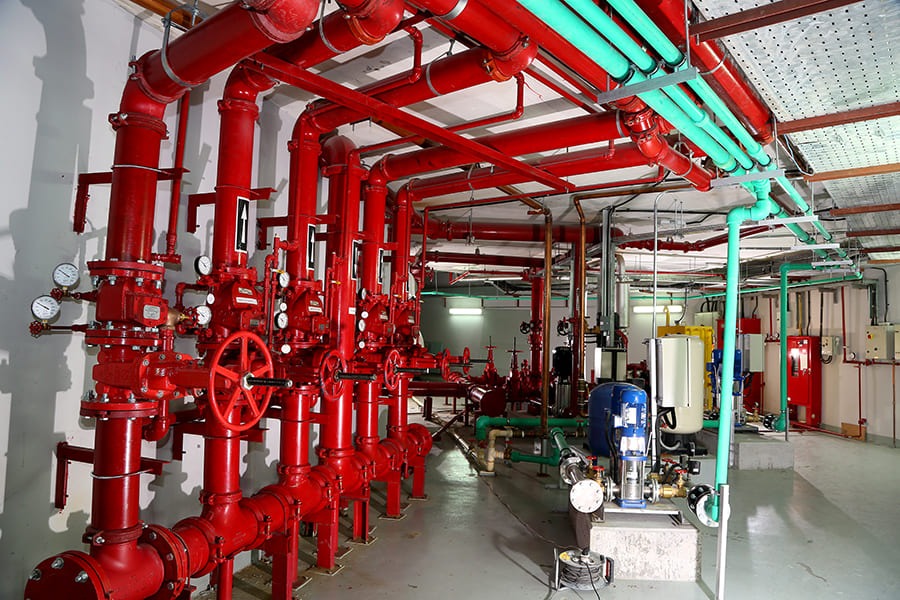
1. Fire Alarm Systems
Aimed at early fire detection and alerting occupants, including:
Control Panel: The central unit that receives signals from detectors and analyzes them to trigger alarms.
Detectors: Smoke (ionization and photoelectric), heat, and flame detectors.
Notification Devices: Bells, sirens, and strobe lights.
System Types:
Conventional: Identifies the general fire zone, suitable for small buildings.
Addressable: Pinpoints the exact location of the fire for each detector.
2. Fire Fighting Systems
Designed to combat and control fires upon detection, including:
Sprinkler Systems: Pipe networks with automatic sprinkler heads that release water or foam when heated.
Gas Extinguishing Systems: Such as FM200 or CO₂ systems, ideal for server and electrical rooms as they leave no harmful residues.
Manual Equipment: Fire extinguishers (powder, CO₂) and fire hose cabinets.
3. Fire Project Implementation Stages (2026)
Design: Prepare engineering plans according to international standards (e.g., NFPA) and obtain approval from relevant authorities (Civil Defense).
Supply & Installation: Install pipes, detectors, control panels, and pumps as per approved plans.
Testing & Commissioning: Conduct live tests to ensure detector response and proper operation of sprinklers and pumps.
Regular Maintenance: Inspect systems regularly to ensure readiness in emergencies.
4. Modern Requirements (2026)
Early warning fire systems are now mandatory in residential and commercial buildings to reduce response time.
Use of smart systems that can be monitored remotely and integrated with Building Management Systems (BMS).